
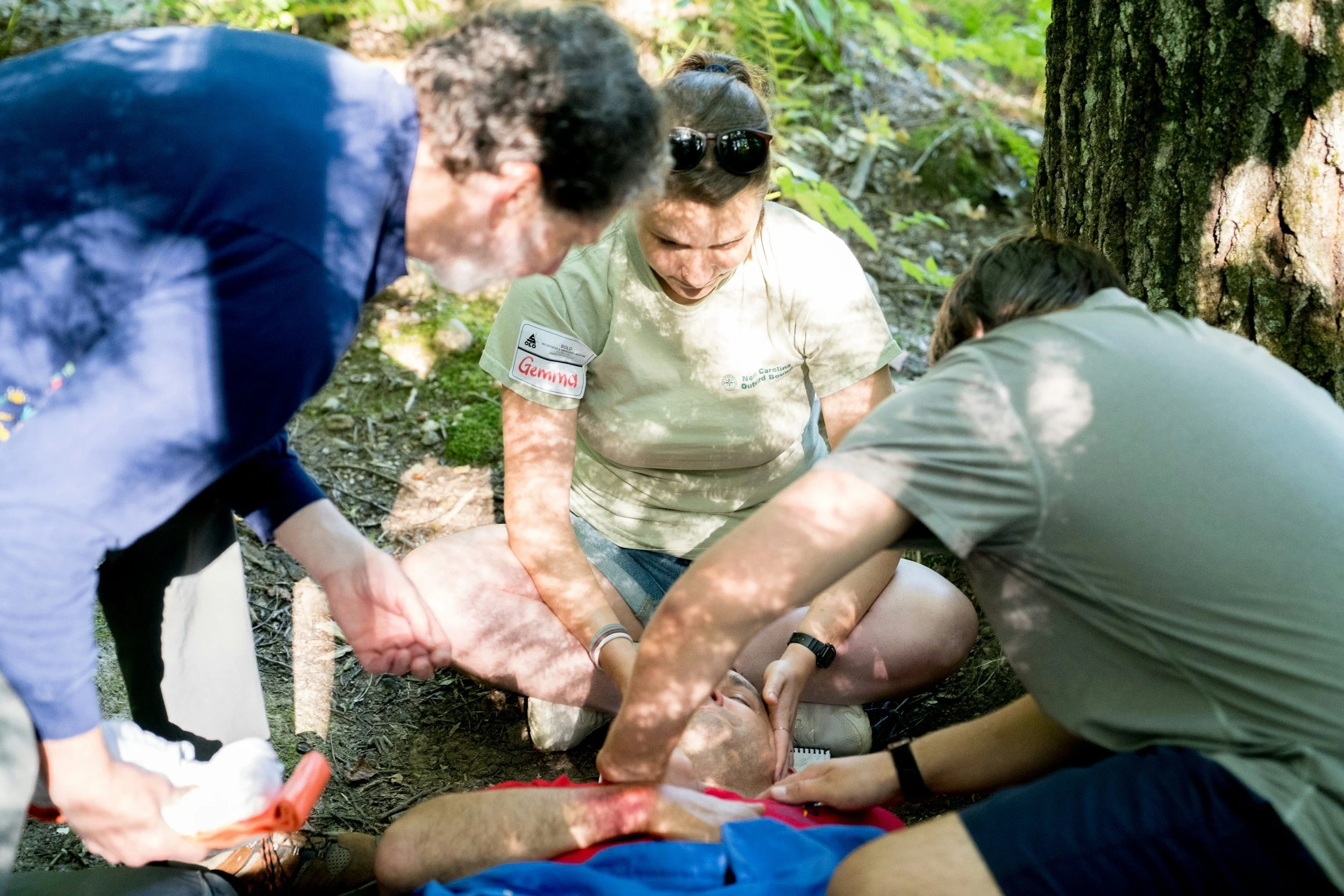
What to Expect During a CPR Class in Boise
Taking a CPR class in Boise? Learn what to bring, what skills you’ll practice, how certification works, and how to find the right CPR training.

How Long Does CPR Certification Last? A Guide to CPR Renewal
How long does CPR certification last? Most CPR course completion cards are valid for two years, but expiration dates and renewal requirements can vary. Learn when to renew your CPR certification, what happens if your card expires, the difference between CPR and BLS renewal, and how to find CPR renewal in Boise.
CPR vs. First Aid: What’s the Difference?
Learn the difference between CPR and First Aid, what each course teaches, who needs training, and where to find CPR and First Aid training in Boise.

The Reversal Code: How Naloxone Stops Overdose
Opioid overdoses remain a critical public health emergency, but equipped with the right knowledge and tools, bystanders can save lives. Here is a complete breakdown of what naloxone is, how it functions biologically, how to obtain it, and how it pairs with CPR during an emergency response.
The Mind After the Miracle: The Hidden Trauma of CPR Survivors
When we teach CPR, we focus heavily on the mechanics: hand placement, compression depth, rate, and rescue breathing. But we rarely talk about what happens to the person giving those compressions after the scene clears.

The Hidden Hazard of CPR: Understanding Gastric Inflation
When performing CPR, our instincts naturally scream "more air equals more oxygen." When someone isn't breathing, it feels intuitive to push in as much air as fast as possible. However, emergency medicine operates on a different rule: excessive ventilation can be just as dangerous as no ventilation at all.
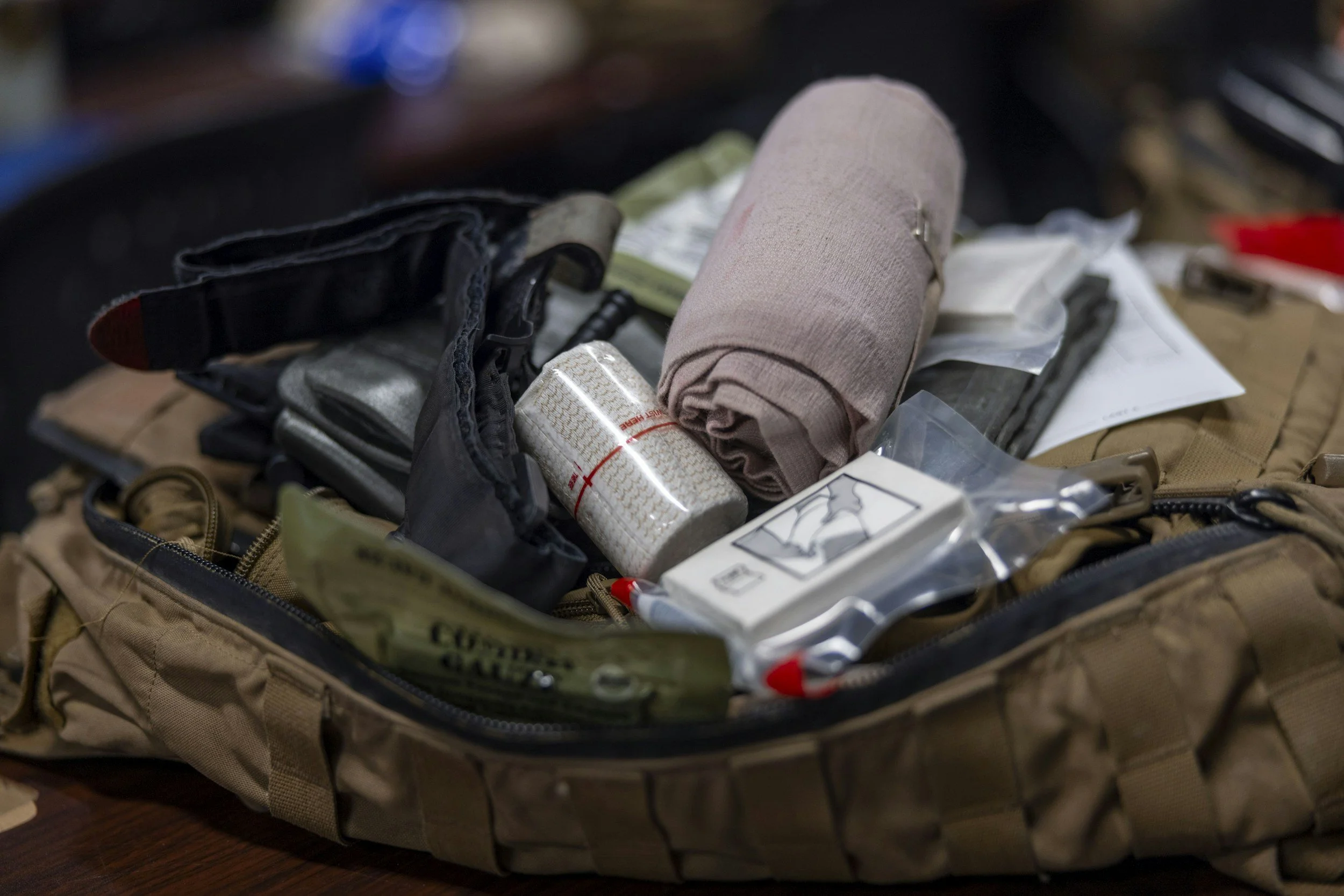
Life or Loss: Master the Art of Emergency Tourniquet Use
Severe arterial bleeding from an arm or leg can become fatal in less than three minutes—long before paramedics can reach the scene. The Ada County Paramedics ‘goal’ is to respond in under 9 minutes. As of 2023 data, their actual average response time for 90% of high priority calls is closer to 12 minutes. In a trauma emergency, a tourniquet is the single most effective tool for stopping catastrophic hemorrhaging and saving a life.
The Reality of CPR Survival Rates: Is It Actually Worth Doing?
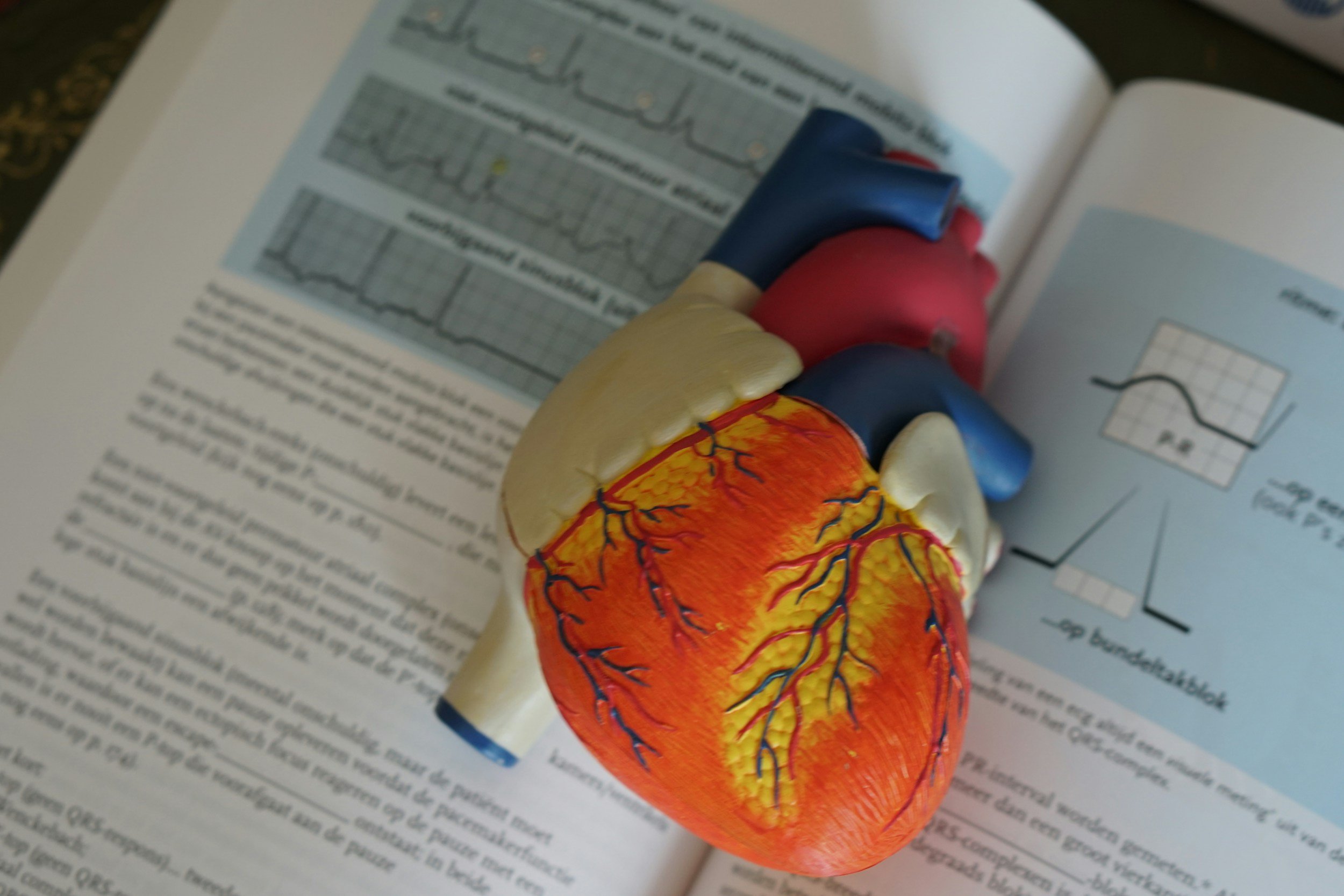
So, how effective is CPR really? What are the actual survival rates, and—given how low those numbers can look on paper—is it still worth doing? Let's look at what the data actually says.
Seconds Count: How CPR Readiness Protects Our Community
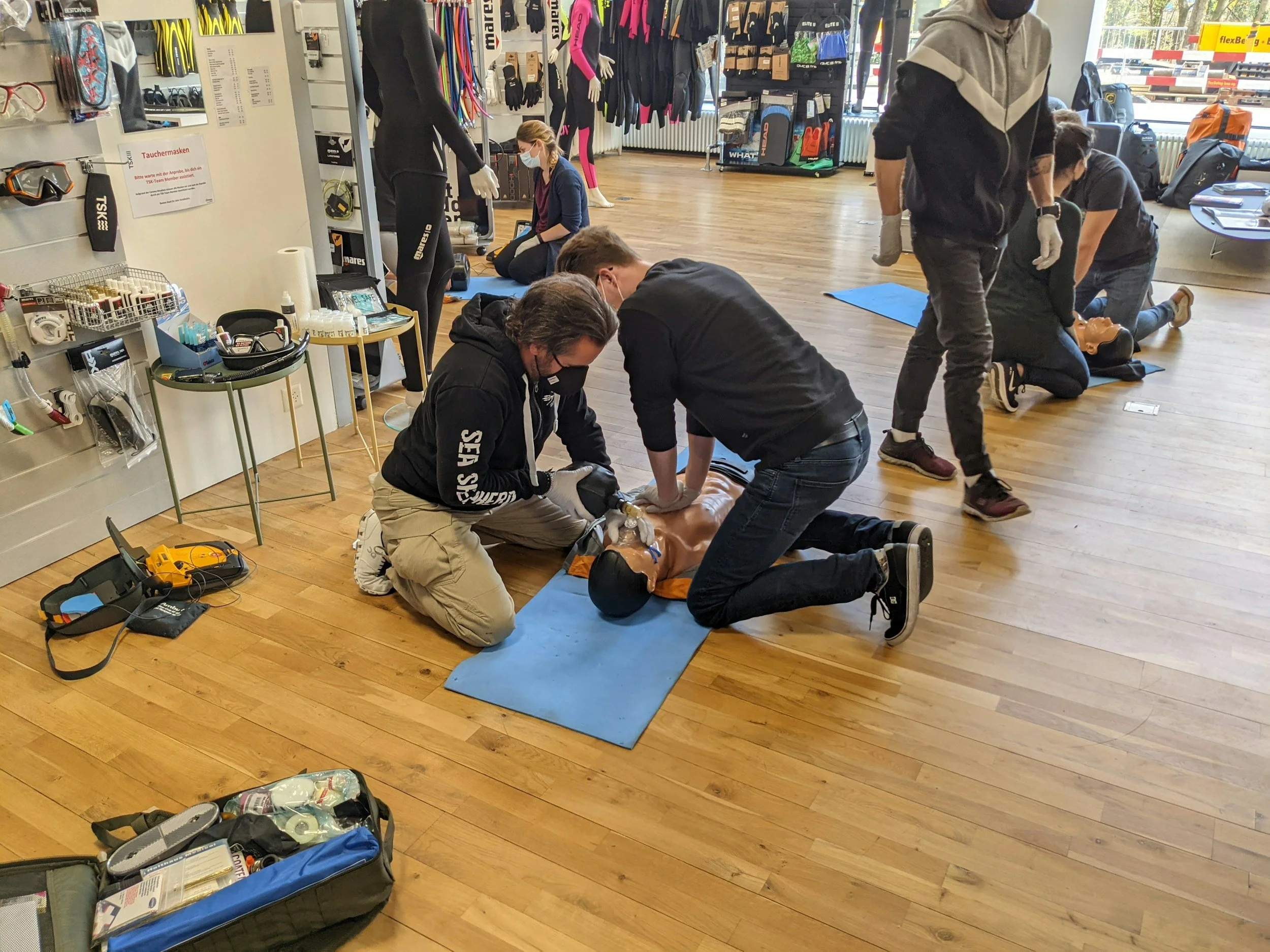
Imagine you are doing your daily workout at your local gym. You suddenly become dizzy and notice a nagging chest pain. Soon, you collapse to the ground and become unresponsive. Your heart has stopped and you have 3-5 minutes before permanent brain damage starts to set in.
Saving a Life: Your Complete Guide to Automated External Defibrillators (AEDs)
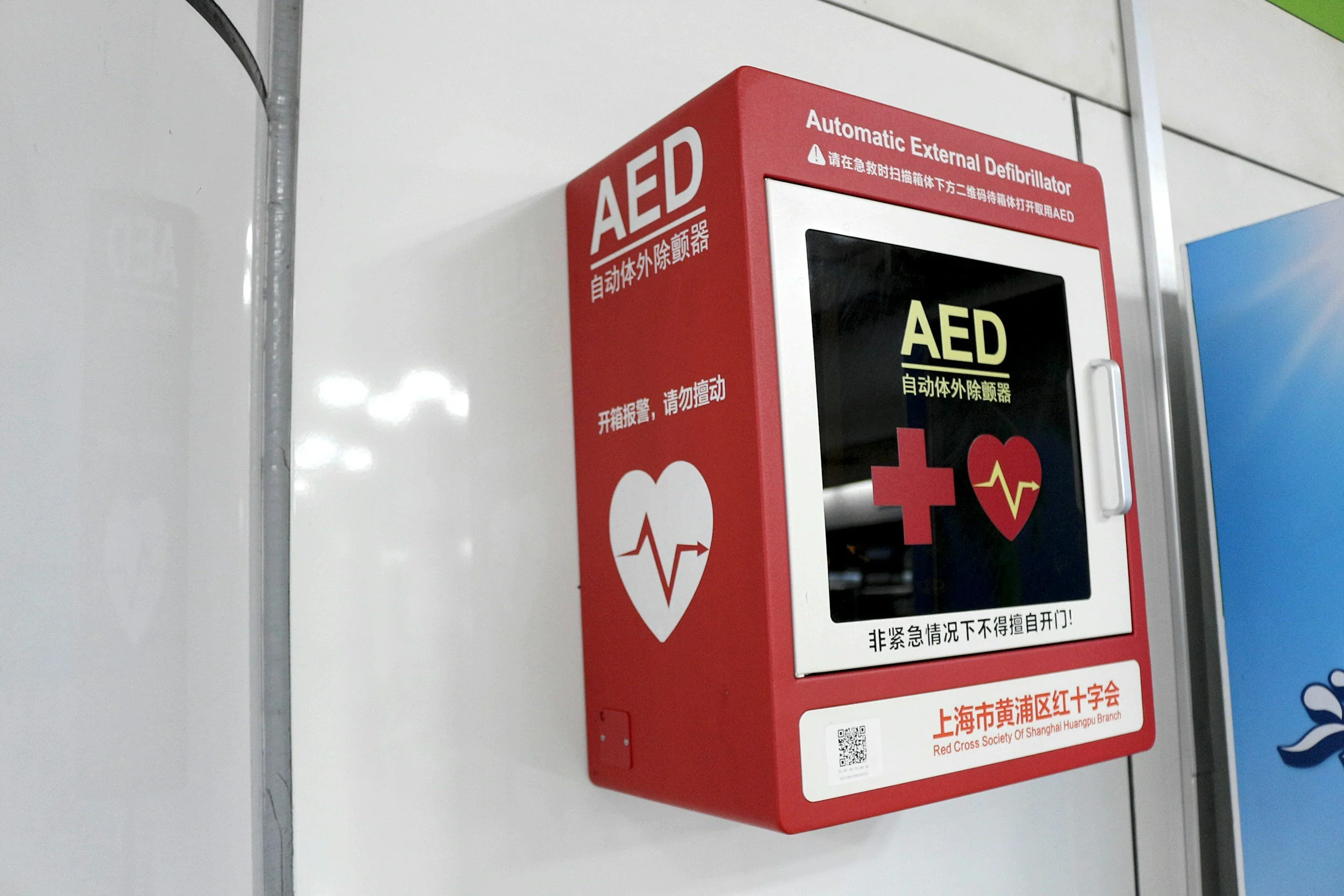
Sudden Cardiac Arrest (SCA) can happen to anyone, anywhere, and at any time. When a heart suddenly stops beating effectively, every single second counts. While cardiopulmonary resuscitation (CPR) keeps blood flowing, an Automated External Defibrillator (AED) is the only device capable of restoring a normal heart rhythm.
Infant Choking 101: Facts, Prevention, and the First Aid Steps Every Parent Needs
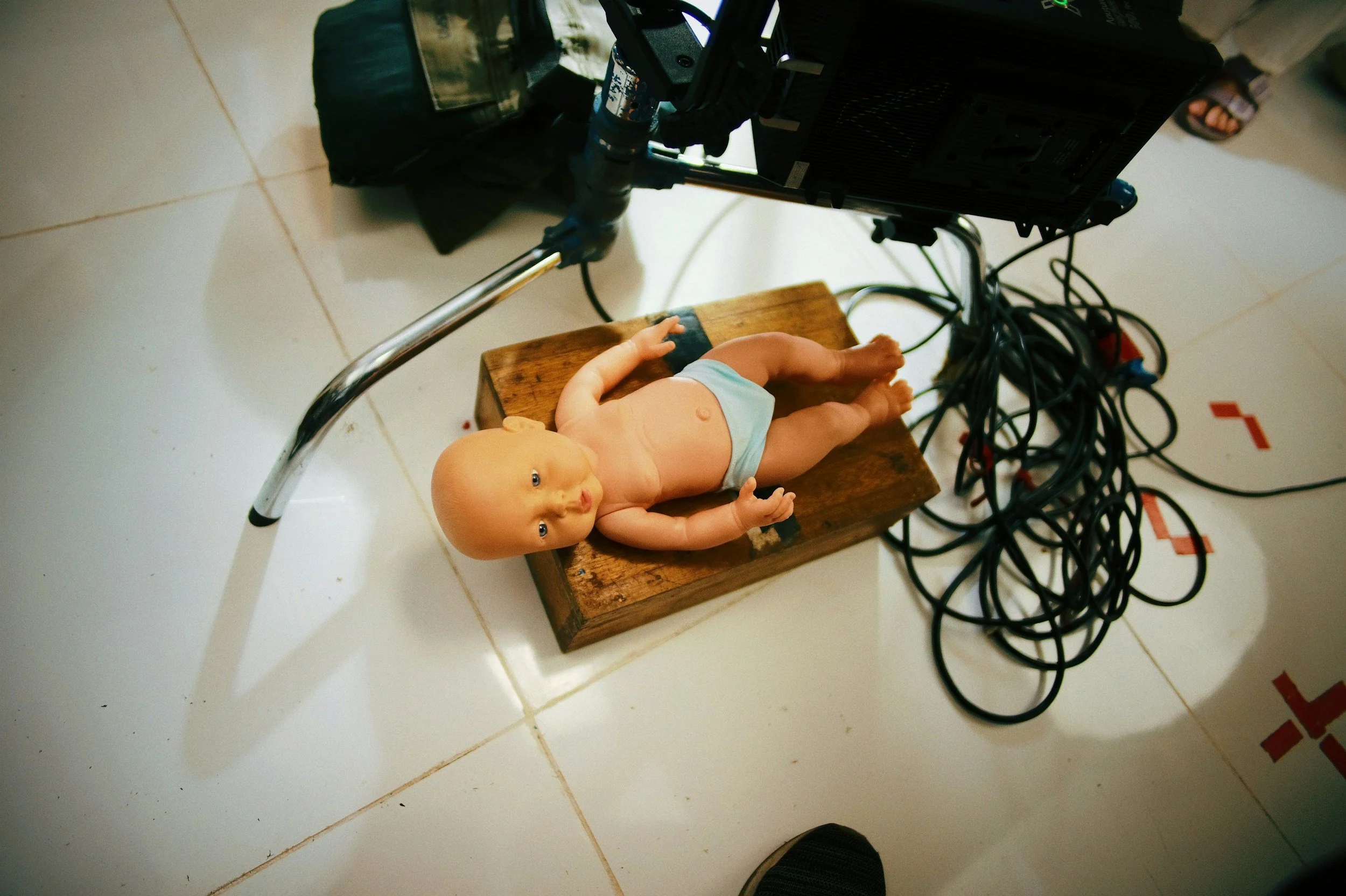
Here is a practical guide to the facts, survival rates, safety techniques, and prevention tips every parent should know for CPR on an infant.
When the Patient Is Family: Erin’s Story
It’s the middle of the night. The house is completely quiet, wrapped in the stillness of sleep.
Then comes a sudden, violent crash—a loud thud echoing through the home that jolts everyone awake.
For Erin, then a young ER nurse just two years into her career, that sound wasn't just a noise; it was the start of a life-altering night.
Debunking Myths: What Idaho’s Good SamaritanLaws Actually Say (and Protect)
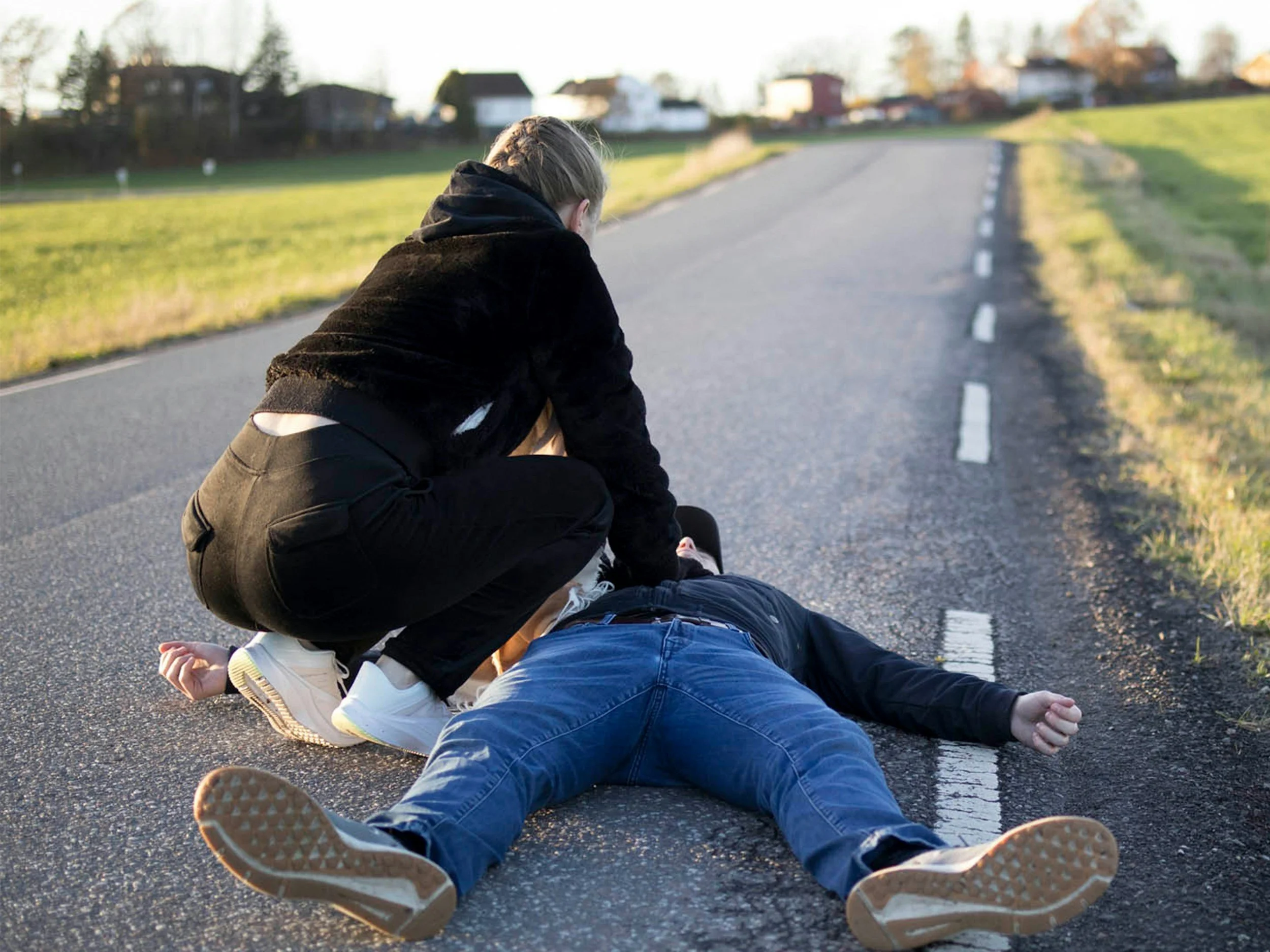
When someone faces a medical emergency—whether it’s a car crash on I-84 or an accidental drug overdose at a house party—hesitation can cost lives. A major reason people hesitate to step in or dial 9-1-1 is legal fear.